Showing posts with label thornless boysenberries. Show all posts

Wednesday, December 4, 2019

2019 Review

Red Flam Grapes - 2019
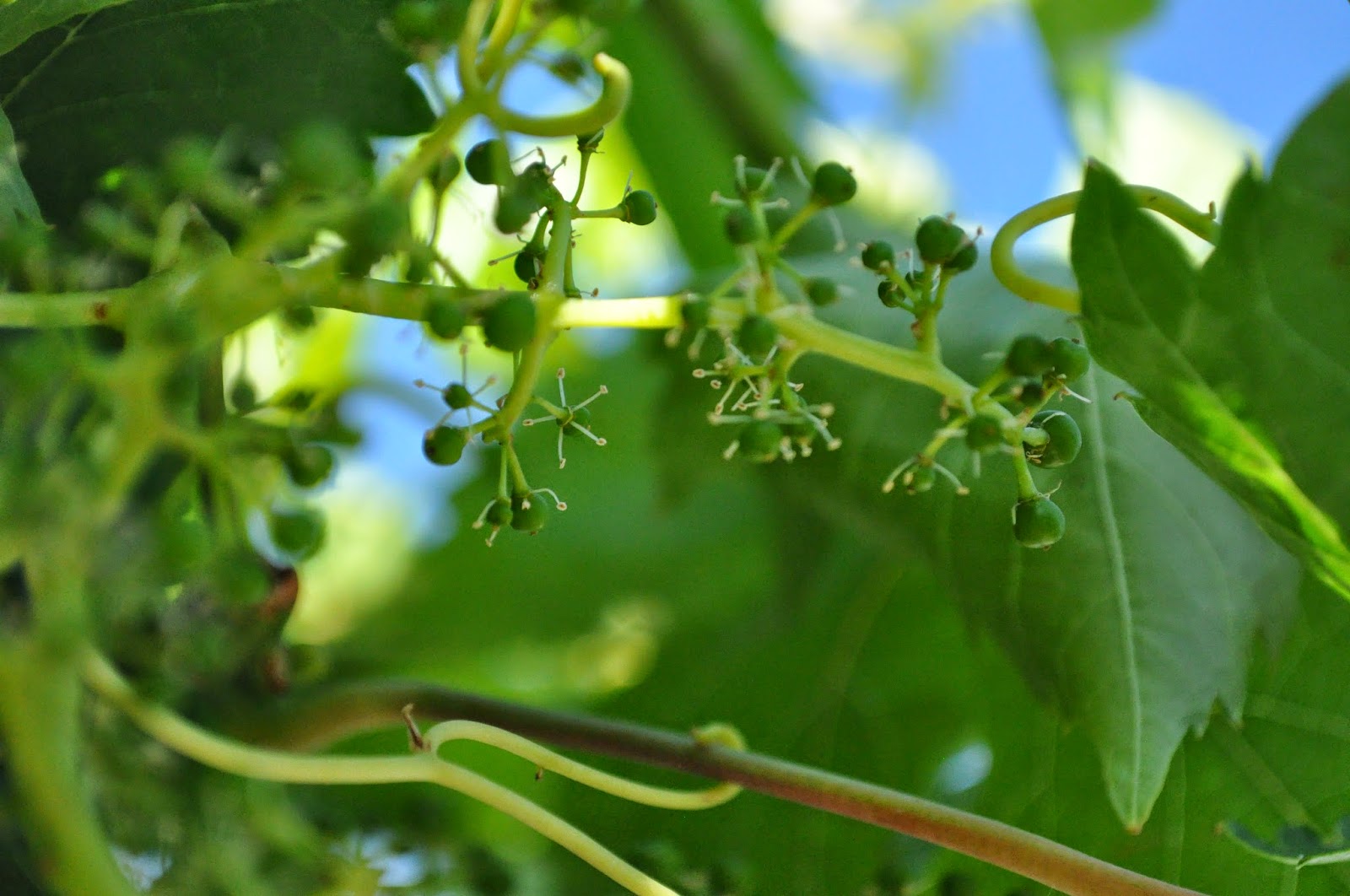
The best/most productive crop in the garden for 2019 has been the Red Flame grapes. The quantity & quality have never been better. The vines were allowed to reach out across the garden in an array. Only limited pruning was performed to tidy stray vines. I constructed a very unsophisticated system of support using tall wooden stakes and twine leading the vines from the arbor out across the garden. This provided me with much welcomed summer shade while allowing the vines to soak up the sun and produce loads and loads of grapes. The grapes weren’t grocery store big in size; but they certainly tasted superior. I may continue with my remedial method unless Farmer MacGregor constructs a better more permanent structure.

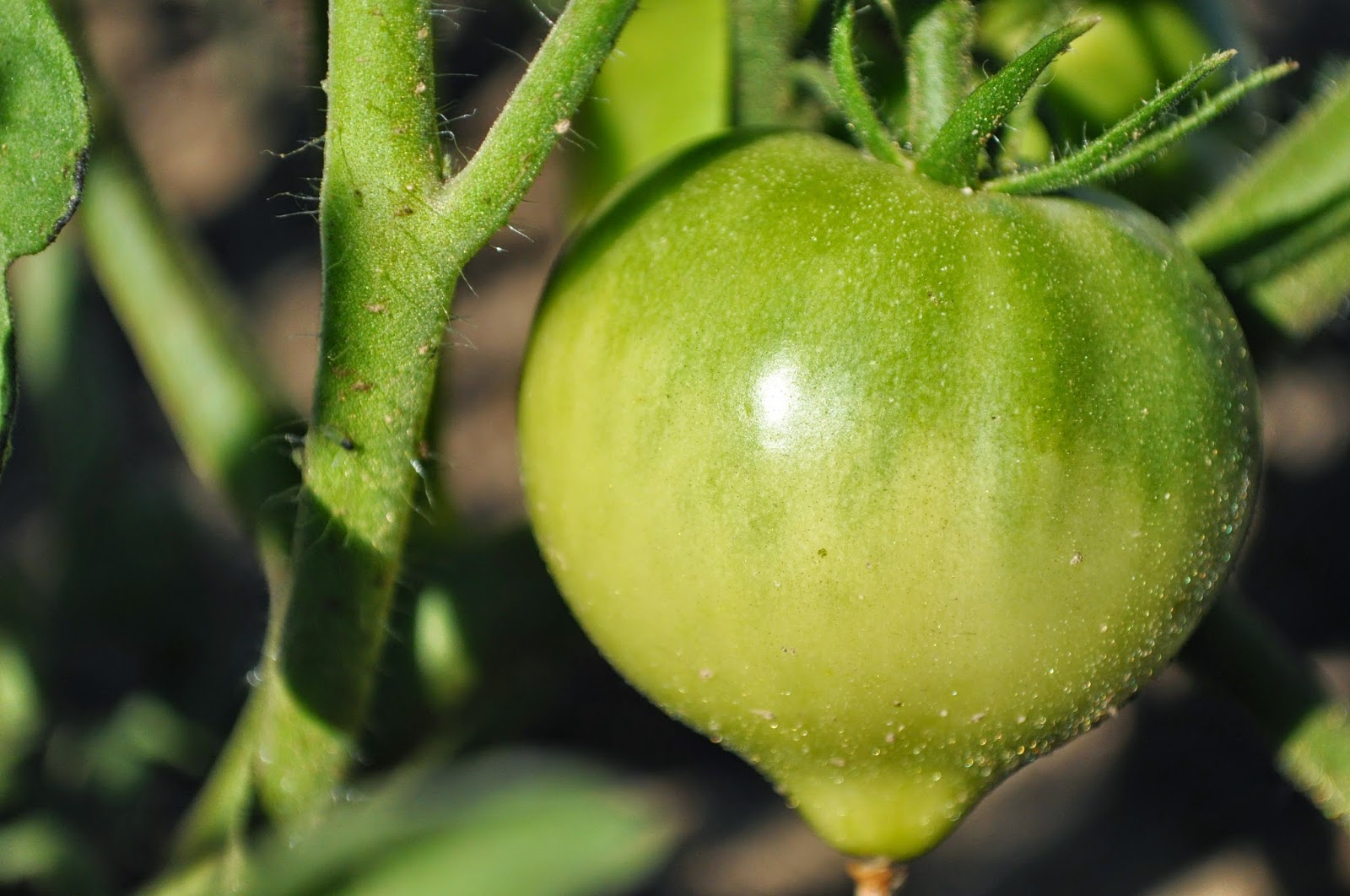
Thornless boysenberries and Santa Rosa plums also performed well.  Earlier in the year, carrots thrived during the cool rainy season. Disappointments were beets being devoured by insects.  Still don’t know the culprits. They continue to destroy my fall beets. Tomatoes and peppers were also duds.

Two trees were removed:  Blenheim apricot & O’Henry peach. A new Blenheim has replaced O’Henry.  The nursery didn’t have any O’Henry’s in stock; so we hope to snag a bareroot peach this coming season. Farmer MacGregor insists. The Granny Smith apple also needs to be removed. I’m thinking of replacing it with a Royal Crimson cherry that has been developed by Dave Wilson Nursery for the San Joaquin Valley.

A variety of onions and garlic has been planted in the winter garden and look to be enjoying the cooler, wetter weather just like me. Hope you all are enjoying your garden too.


Tuesday, April 18, 2017

What's in a Name?

Thornless Boysenberry - Berry White
This year looks to be an excellent year for most everything in the garden.  Thornless Boysenberries are no exception.  There are six plants that thrive in the garden to the point of being invasive.  Sprouts need to be plucked as soon as possible throughout the growing season to avoid a bramble jungle.  That ounce of prevention is truly worth a pound of cure.

Enameled Metal Name Plate (Pinterest)
I've postponed for years the idea of attaching name plates to each of the berry supports giving names to my Boysenbabies.  A Frenchy looking metal name plate with enamel coating is what I'm looking for.  White with black pin-striping and black script lettering is my goal.  A local sign shop just up the road from Floyd's Hardware (one of my favorite stores) might be able to set me up with what I need or point me in the right direction.  I'll task Farmer MacGregor with installing them on the support structures.  He's a picky guy.

Boysenberry Support Structures - 2015
Above is an image from 2015 to show the structures better.  Currently, the berries fill the trellis portion.  The name plates will be on the top rail.  Here are some of the names I'm considering:

  • Berry White - That's my biggest berry baby.
  • Berry Manilow - He's off to the side pretending he's a tomato and will try to surprise us all that he's actually a boysenberry.  (Berry, we know & it's no big deal.  No surprise here.)
  • Frankenberry - This guy has run away volunteers.  They're just monstrous.
  • Chuck Berry - He's located on the east end where I set up my music when I'm working in the garden.  Chuck rocks!
  • Chuck Berris - Right next to Chuck Berry is Chuck Berris.  Whenever a dud piece of music plays, it will get the gong.  (Note:  I need to install a gong next to Chuck Berris.)
  • Berry Williams - Since there are six plants, I thought Berry Williams would fit right in.
Some of these names may be obscure to some; but they make sense to me.  And it's my garden.  However, nothing is set in stone yet.  Other names I'm considering:
  • Berry Gibb
  • Berry Bonds
  • Berry Obama (Doubt it.  Making my garden great again!)
  • Madame du Berry
  • Marion Berry
  • Maryanne Trump Berry
  • Berry Fitzgerald
  • Berry Goldwater
  • Berry Williams
If you have a name to be considered, kindly leave your suggestion in the comment section.  Gracias.

Friday, June 5, 2015

Garden Progress During a Drought.

What the heck?!  Blogging sure has dwindled down to a small trickle just like the flow of the good ol' Kern River.  Even though the drought is taking its toll, production in the garden continues.  Here's what's going on:

Dwarf sunflowers track with the sun and are enjoyed by pollinators.  I doubt that I'll harvest and roast the seeds.  These flowers are used to attract pollinators, provide some short shade, and brighten the garden.  Only about half of the seeds planted germinated.  I'll blame it on the source.  Maybe I'll save a head of these seeds to plant later.

Santa Rosa plums were not abundant this summer; but there were more than last summer and so very delicious.  There weren't enough to meet the demands of munching in the garden and jelly.  Munching wins everytime.

Thornless boysenberries  were productive enough to freeze some to enjoy later and fulfill the garden munchies.  Ice cream?  Cobbler?  Delicious.

Blenheim apricots produced just like the berries.  Some in the freezer and some in my belly.  These are my favorite and are evidence that there is a God.  Dang it, they taste just like summer.

Here's a variety of cantaloupes I've never tried before.  The seed package describes the taste as similar to pineapple.  We'll see.  Moon and Stars watermelons are also planted in the garden.  They aren't expected to be harvested until late summer.

 String beans are vigorous where a failed thornless boysenberry once dwelled.  I'm not a fan of green beans; but Farmer MacGregor enjoys them.  Surplus beans will be housed in the freezer for MacGregor and a garden gnome to enjoy during the winter.

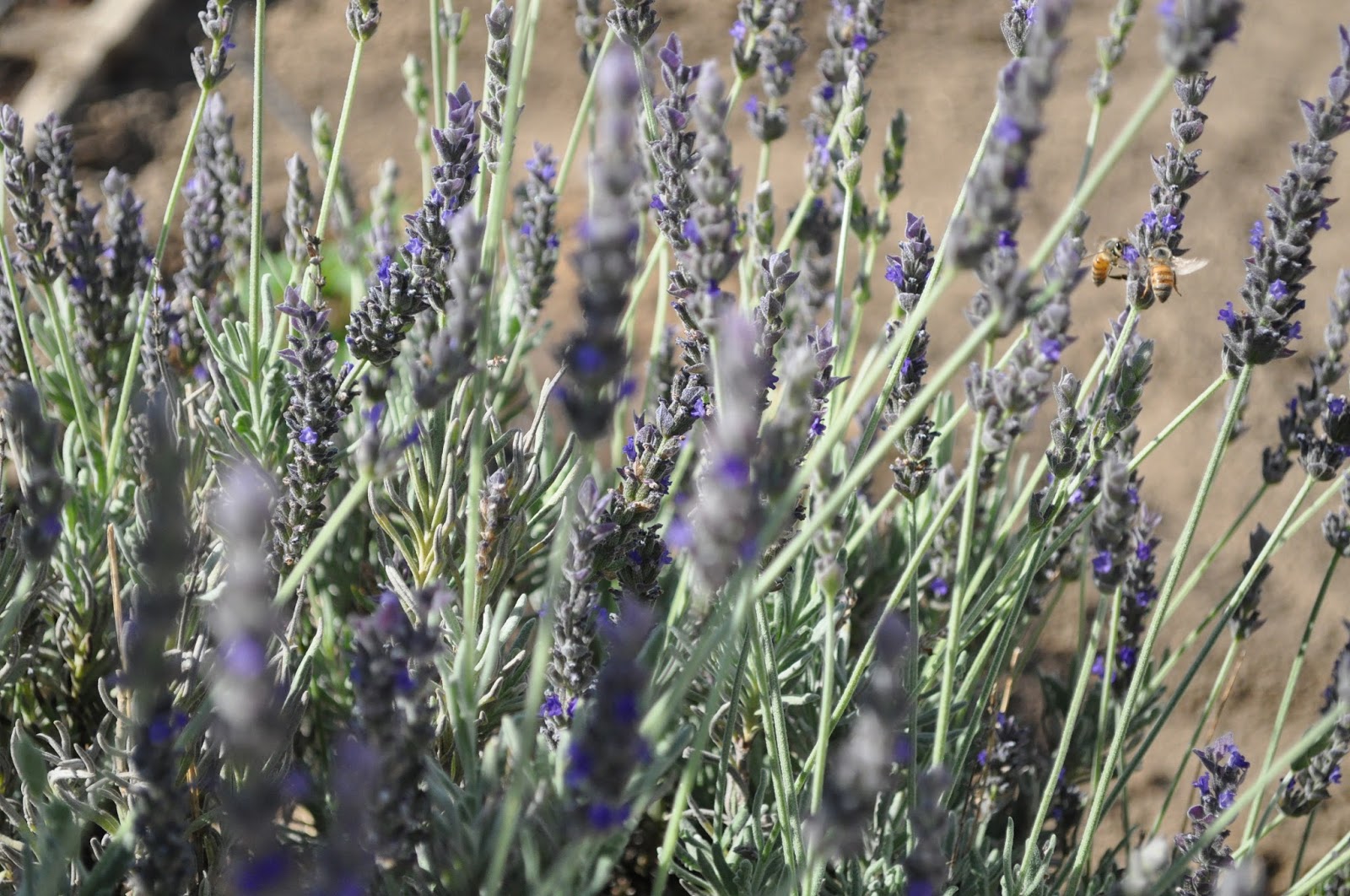
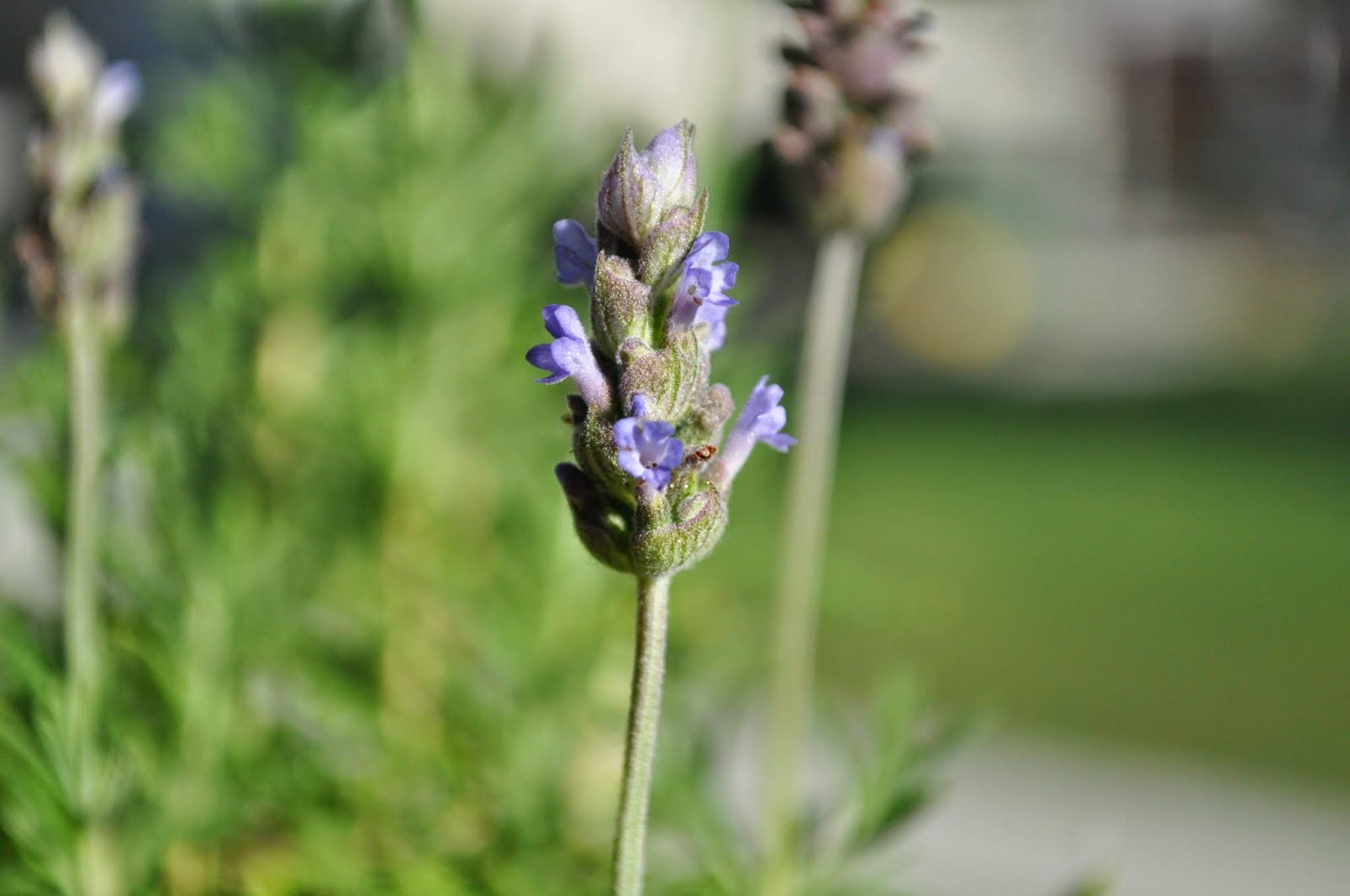
Lavender is drawing the the honey bees too.  I've never used it to cook (except for Herbs de Provance); so I might give it a try.  Ice cream?  Creme Brulee?

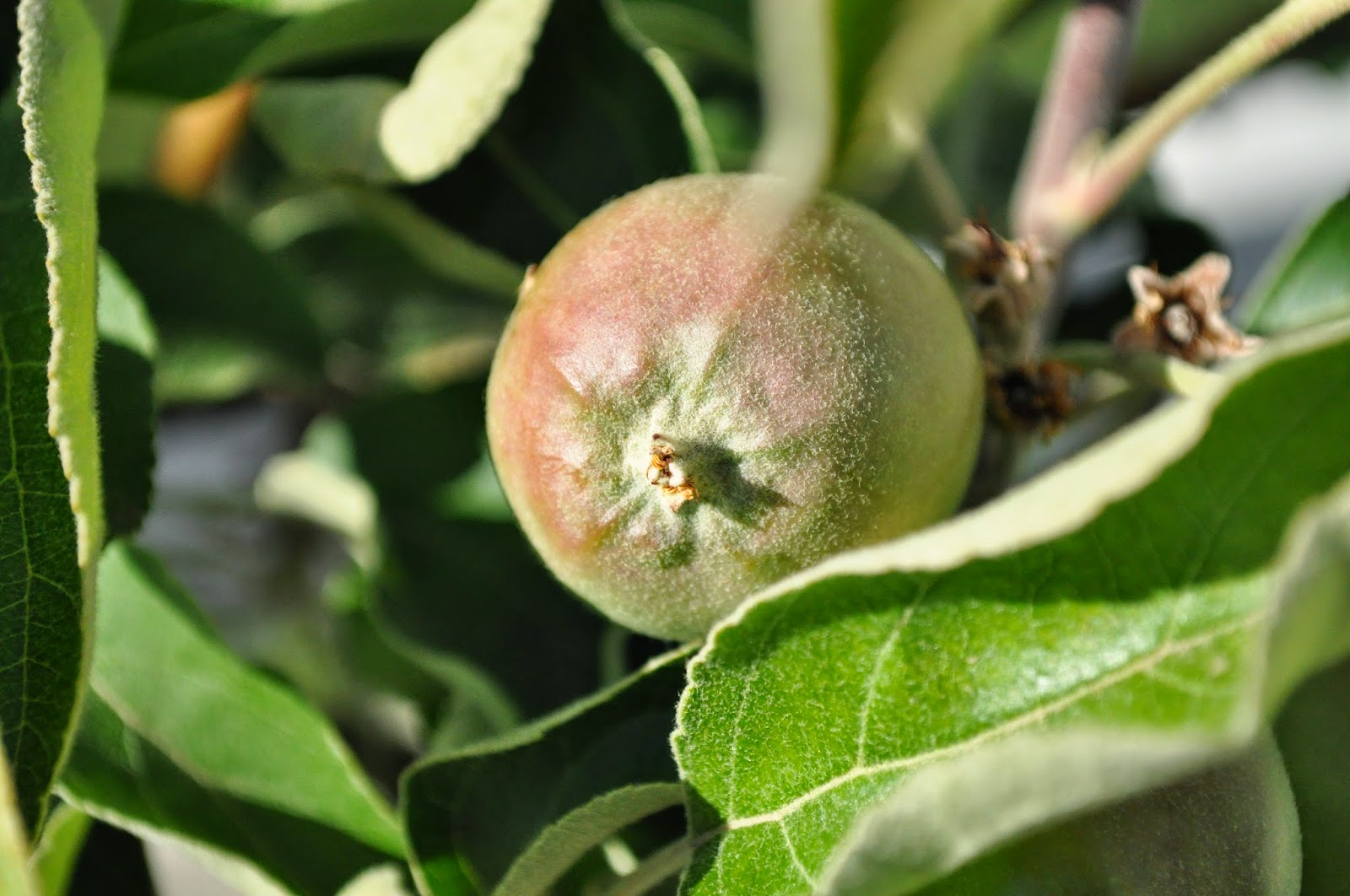
Granny Smith apples look to be having a banner year.  This little tree that I thought was going to die from scald has made a great comeback.  Since I eat an apple each night, I don't think these will be used for anything other than munching.

Red Flame grapes are coming along; but there are some problems with some bunches and leaves that the local farmers' cooperative extension need to be consulted about.  At least, it's providing great shade and shelter for the scrub jay family nesting on the arbor.

As for the drought, I have very strong opinions that I'll save for another time.


___________________________________________________________________________________


Afterthought:  I forgot to list the biggest resident in the garden this summer - tomatoes!  Here's the variety, the amount, and where they came from:

Better Boy (6 plants from Floyd's) -  These are planted in a bed that has been solarized to kill root knot nematodes.  4 out of 6 plants are thriving.  As the temperatures have increased, the plants are looking healthier.

Big Beef (1 plant from the Tomato Lady at the Haggin Oaks Farmers Market) - The Tomato Lady needed to reduce her inventory; so a dollar bill won a healthy plant to try out.

Champion (6 plants from Floyd's) - These are living up to their name.  All the plants are growing vigorously with many blossoms and tomatoes (non ripe yet).
 
Gold Currant (1 plant from a bird pooping at the front step) - Several years ago, a co-worker gave me an heirloom plant she started from seed.  The thing would never die; so Farmer MacGregor had to yank it out during the winter.  Each year, it sprouts somewhere in the garden.  The current Gold Currant sprouted last year at the front step and thrived through our mild winter.  It grows a top hedges (see header photo) for about 8 feet and has been producing grape tomatoes the entire time.  It's a keeper.

Super Sweet 100 (1plant from Walmart) - What the heck.  These were out on a rack at the entrance to the dreaded Walmart; so I made the trip a little bit more enjoyable by picking up a tomato plant.  We'll see.


Sunday, September 28, 2014

Off With Their Heads!

Thornless Boysenberries

The boysenberries are all set for the winter.  All of the suckers were removed along with any other unwanted canes.  The canes that emerged this summer (primocanes) have been tied up to the supports where the growth will be pruned to keep it in bounds of the support.  In early spring, the primocanes become floricanes when blossoms form followed by fruit.  When the harvest is complete, the canes that are tied to the support are then removed and the process starts all over again.  Some compost rich with chicken manure was applied even though organic fertilizer was put down about 10 days ago.  These plants, like me, are ready for cold weather.


When I was cleaning up the boysenberries, I came upon an evil grasshopper.  Without missing a beat, my pruning snips went into action decapitating the beast.  BAM!  Now here's the creepy part...the body was hopping and flying without a head!  Nightmares.  Even creepier...the body was gone the next morning.  Perhaps it's in very poor taste to report on this beheading what with all the recent news; but this is what's happening in the garden and I'm in the mood for Halloween.

Saturday, June 14, 2014

Boysenberries 2015


Thornless Boysenberry
Harvest of the Thornless boysenberries is complete.  Now it's time to get ready for the 2015 season.  Berries develop on the growth from this summer; so the canes that bore fruit in 2014 need to be removed.  I removed the bird netting then Farmer MacGregor got into the overgrown thicket and cut those canes to the ground.  He also removed any canes with thorns. So much for "thornless". Discarded canes should be burned; but the San Joaquin Valley has very limited times when you can burn.  So into the green waste can they go. That leaves canes that started sprouting this year.  From those, we select 5 canes on each of the 6 plants to be tied to the supports.  Think of fingers on your hand fanning out.

2015 Producing Canes
It's not a perfect science, but it helps to keep this part of the garden tidy.  Berries can really get away from you. If you're not careful, your berry patch will look more like a brier patch from Song of the South.  Any other canes that sprout are removed.  This is something that should be done at least once a week here.  We have found something that thrives in this spot of the garden.

2015 Thornless Boysenberry Patch
As these canes grow, they will be tied to the supports until they reach the top.  At that point, they will be pruned to keep at a manageable height.  Laterals will form and those will get tied up too.  Everything should stay within the support frame.  At least, that's the goal.  The berries will continue to be fertilized and irrigated throughout the summer.  Soil amendment is next on the "to do" list.

Now it's time to enjoy the harvest.

Sunday, April 27, 2014

Garden Progress in April


 Here's what's going on in the garden after some nice rain before we head into a scorcher of a week.
Several lavender plants are drawing various pollinators into the garden - hummingbirds, bubble bees, bees, and butterflies.
Lavender
The plum tree is alive.  I thought it had been lost after it bloomed in the fall and produced leaves into the winter.  Those leaves looked awful and sad; but it bloomed this spring and produced some fruit.  Most of that fruit has fallen though.
Santa Rosa Plum
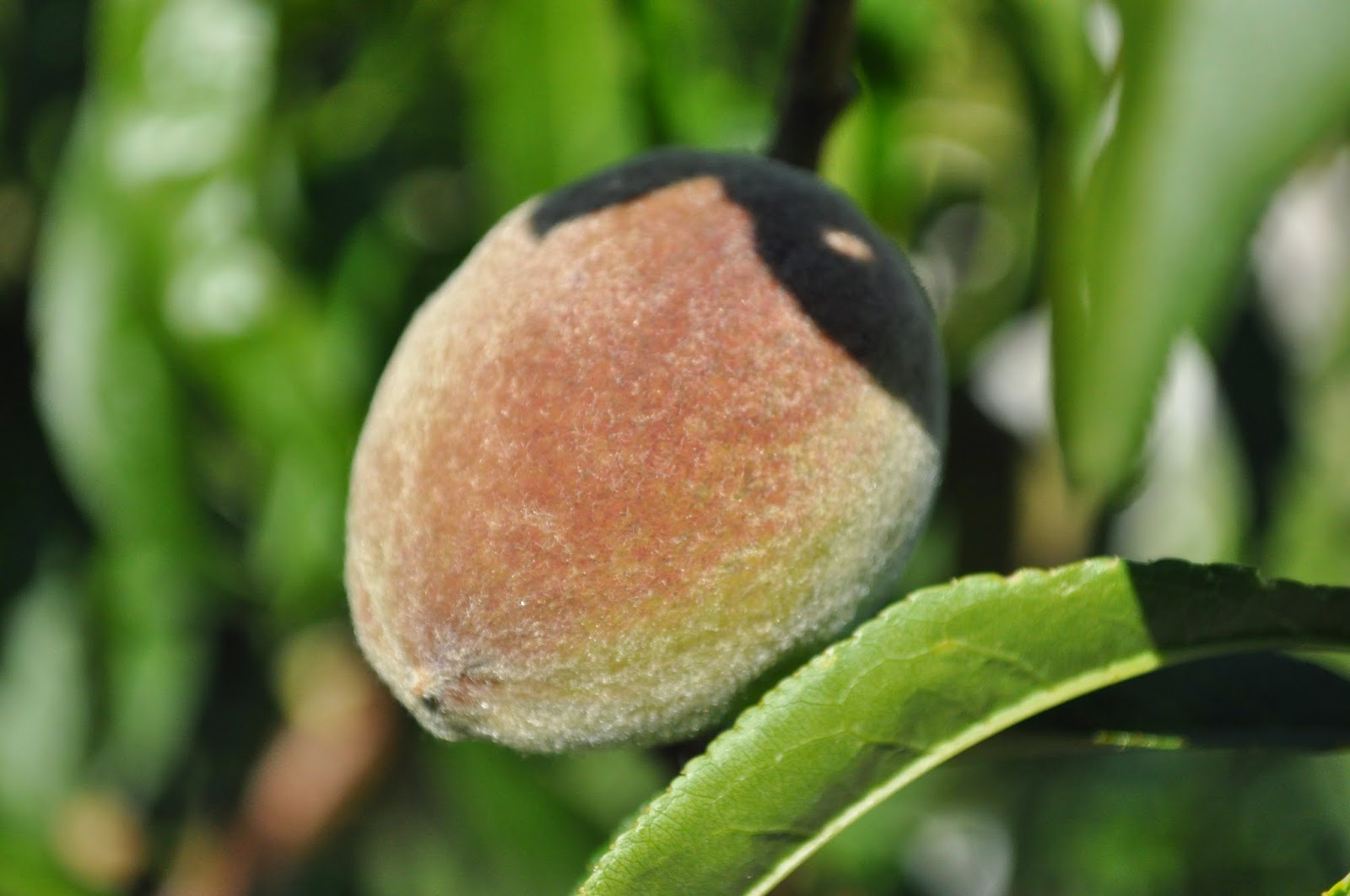
The peach tree got away from my pruning shears last year.  Once the fruit has been harvested in a few months, I'll work on slowly trimming it down to a manageable espalier.
O'Henry Peach
Good ol' Granny Smith looks like it is thriving and will provide plenty of apples at the end of the summer.  This tree had some problems with scalding a few years ago.
Granny Smith Apple
 
The Red Flame grapes were pruned a bit today by Farmer MacGregor.  He took down an unfilled Scrub Jay nest that distressed those nest builders.
Red Flame Grapes
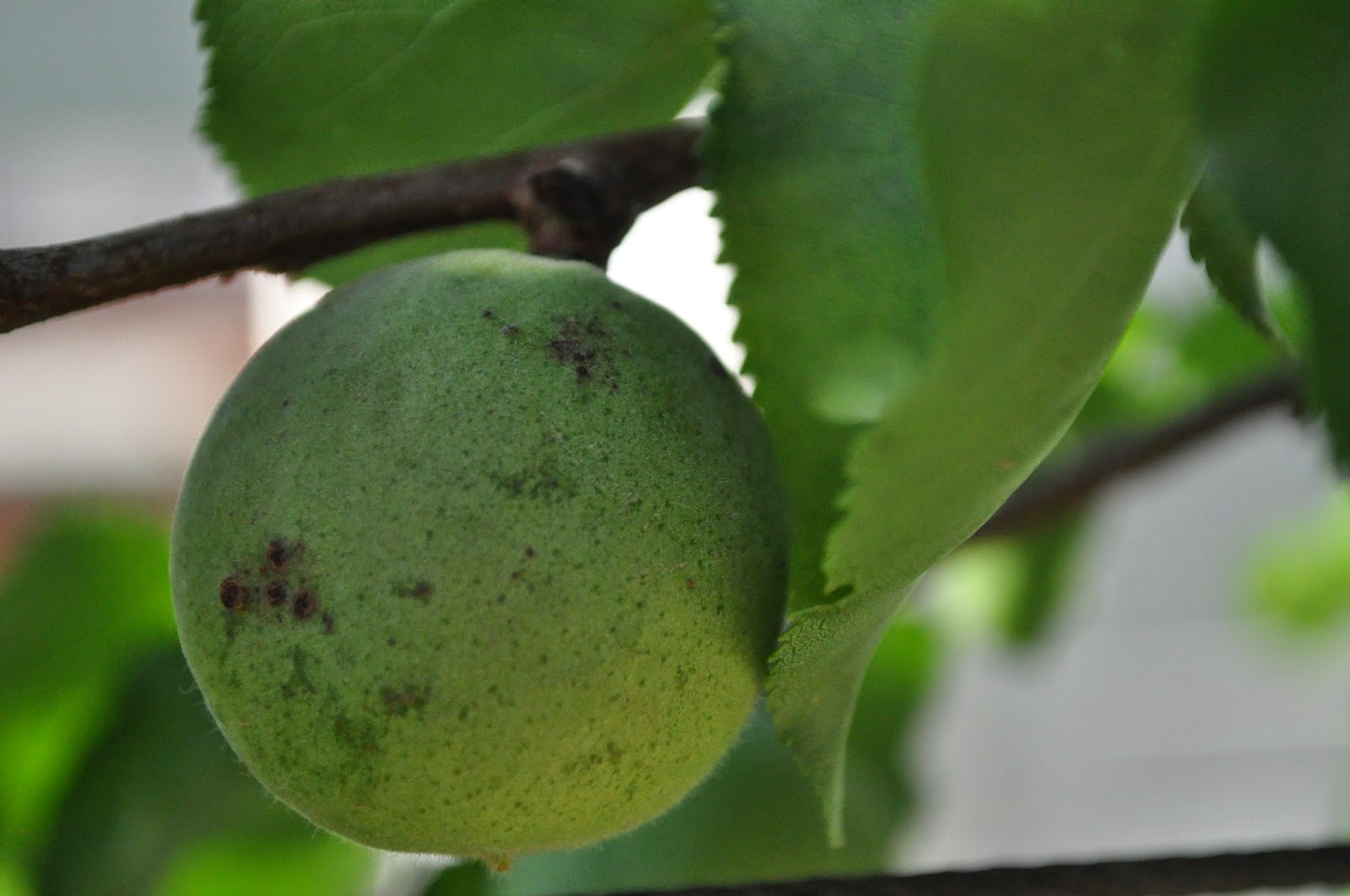
The Warren pear tree never bloomed (AGAIN!) and the Fantasia Nectarine lost all of its fruit.  The Bleinheim apricot has had a few prunings so far this spring.  The fruit has a bit of cosmetic damage from the sun and wind.  Hopefully, it won't do a thing to the flavor.
Bleinheim Apricot
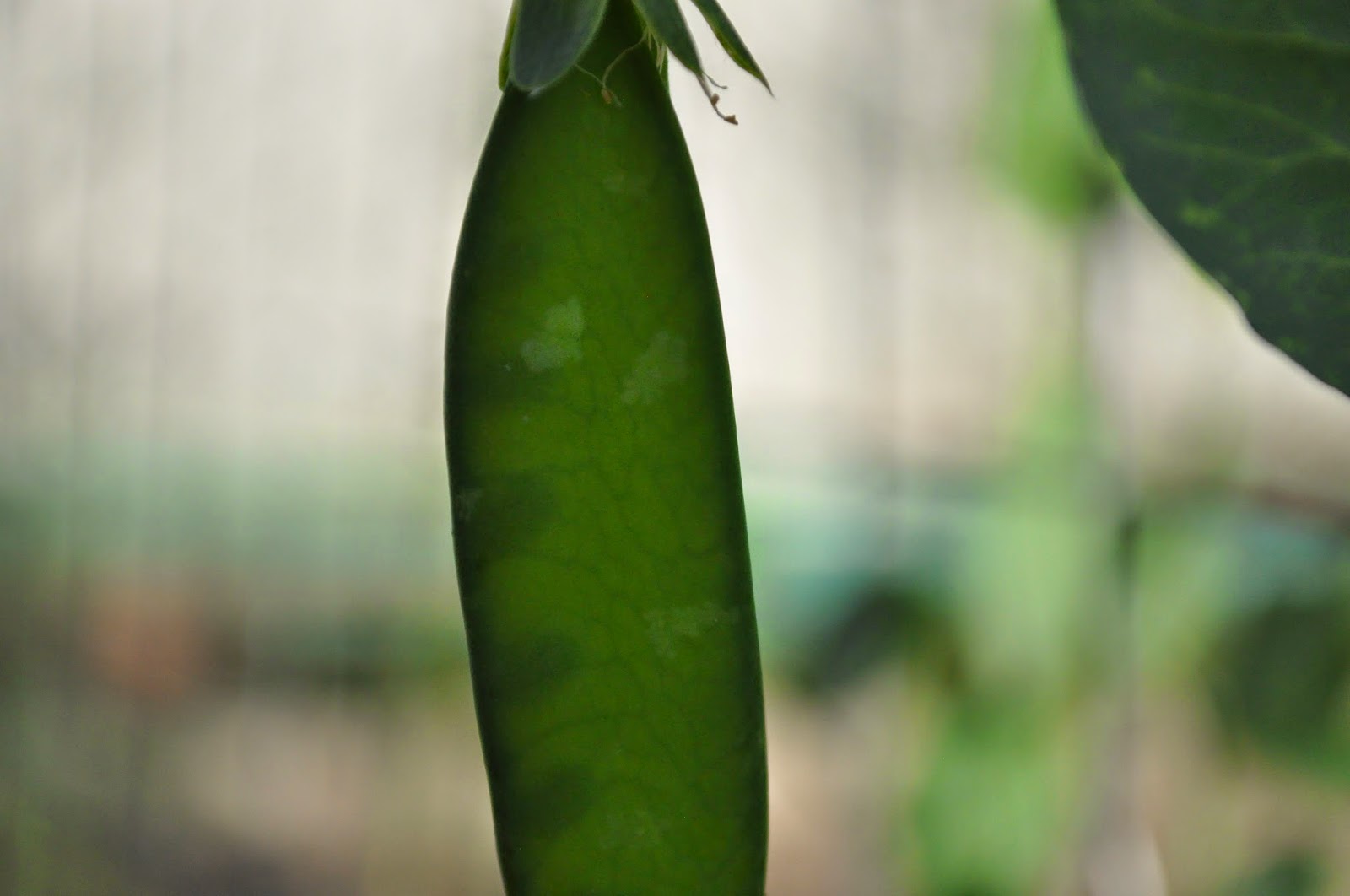
A few peas have started to develop.  I'm surprised since the heat came early.  Maybe I'll get a few to sample.
Wando Peas
Celebrity tomatoes have produced well in the past even though there is a nematode problem.  This year is no exception.  There is hope of homemade salsa.
Celebrity Tomato
Thornless boysenberries were covered with netting today to fight off the pesky birds.  This season may not be as bountiful as last.  If so, I'll blame it on my pruning.
Thornless Boysenberries
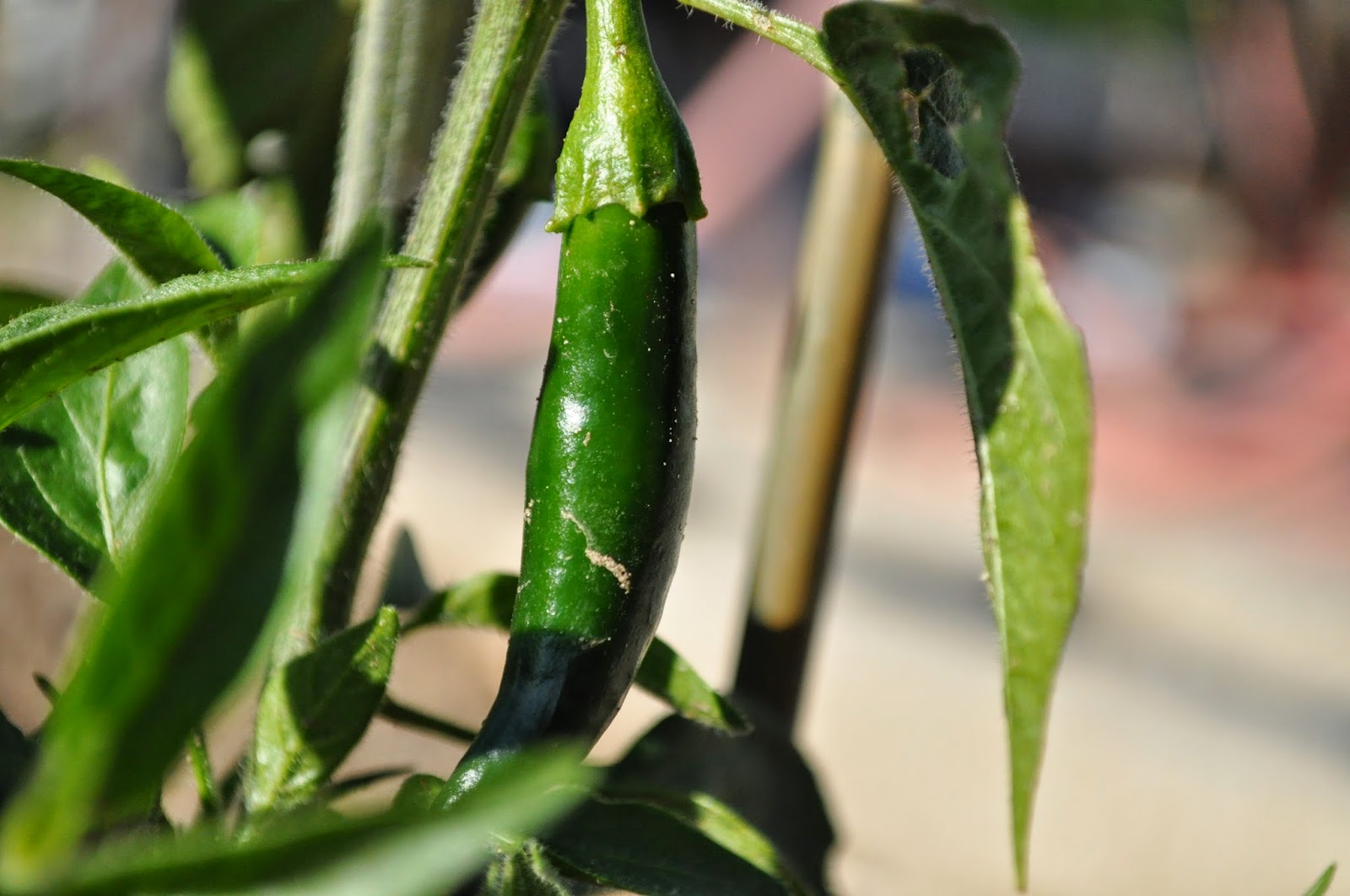
Serrano peppers are great stuffed with cream cheese and wrapped with bacon.  They are also my pepper of choice for making salsa.
Serrano Peppers
Most of the irrigation is only twice during the week.  Basins are filled from the hose.  This method may encourage the roots to push deeper into the soil and not dry out as fast.  I may be wrong since so many encourage drip irrigation.  We'll see.
Saturday, April 5, 2014

Garden Update

Just a quick notation of Spring progress in the garden.
The Pink Lemonade Sunshine Blue blueberries are developing nicely.  These are in a pot so it's much easier to keep the soil acidic.  Netting to combat those thieving birds needs to be put in place this weekend.
Thornless boysenberries (6 plants) are producing well.  Once the petals have matured a bit more, bird netting will be installed here as well.  It's a lot more difficult than with the blueberries.
O'Henry blossoms have faded giving way to developing peaches.  This summer I will try to correct some pruning neglect from last year.  More on that in a later post.
Granny Smith apples are coming along beautifully.  I don't thin out the fruit.  Nature will drop the weak ones in most all cases.
Celebrity tomatoes (6) all have multiple blossoms and are thriving amongst the onions.  I suspect that when the heat turns up this week (95 by Wednesday), these plants will be going bonkers.  In the meantime, I'm loving this cool, overcast Saturday.
I picked up a little lavender plant that needs to be potted. It's already developed buds.  No doubt it will enjoy the heat next week and be in full bloom.

That's a quick peek at what's going on in the garden.

Tuesday, October 29, 2013

Garden Update


Red Flame Grapes
This past Saturday (10/26/13), Farmer MacGregor and I took on some much needed garden chores.  He did the bulk of the work because I can't (Surgeon's instructions not to bend, lift or twist - dang.) and I was still decompressing from the Vince Gill "Bakersfield" concert the night before. 

Thornless Boysenberries
The boysenberries had grown into a jungle this summer.  There are 6 plants.  The gravel walkway in the picture above was hidden with the growth.  This variety certainly thrives in this environment. This area was previously planted with azaleas and camellias.   That was very unsuccessful. The canes that bore berries this year were cut down to the ground and removed from the support.  5 new canes were chosen to be attached to the support for berry production in 2014.  The rest of the canes were cut to the ground and removed.  There were plenty of volunteers that were removed.  These certainly can get away from you if you don't tend to them.  Speaking of volunteers...note the grape tomatoes overflowing from one of the raised beds.  I cannot shake those Gold Current tomatoes so I just let them keep producing.


One of the raised beds was prepared for some winter vegetables.  Nothing was planted in rows.  I can't get down there to sow a Jeffersonian garden.  Seeds were scattered for a "natural" look.  On the east side of the bed, lettuce varieties were sown.


Outrageous (left) may be the reddest lettuce variety known! It can be harvested as a leaf lettuce or allowed to grow until the loose, Romaine-type heads develop.  The catalogue uses the name Outredeous but the seed package is Outrageous.  Little Gem (right) germinates in 50 days. It is a very small, green, romaine-type. One of the very best-tasting lettuces. A superb heat-tolerant variety.


The west side of the bed was planted with bunching onions.  These should grow well with the existing garlic chives.  No drip lines were laid out.  The seeds will get moistened by hand until they are established.  Hopefully, the rain will come (it did yesterday!).

Ishikura Onions
 (Allium fistulosum) A popular and traditional Japanese variety for sukiyaki, soup and salads. It reaches enormous proportions (to 2½ feet tall, one inch across) while remaining tender and scallion-like.  It never forms a bulb. Earth-up as for leeks to produce long white shanks. As they sprout, they will be pulled and used as green onions.

All the espalier fruit trees have been pruned and will not be pruned until just before blossom and only if needed.  My hope is that the Warren Pear will bloom - finally.

Sunday, June 23, 2013

Kitchen Scale

Infestation on Boysenberry Canes
What us this junk?  AND what is that black bug with a green dot on its back?  The infestation looks like blisters on the spent canes of the thorneless boysenberries.  I suspect scale because this can be scraped off easily with my fingernail.

Ants seem to be involved.  I see them scurrying up and down the canes.  However, ants are everywhere in the garden.  They herd pests all over the place.

I'm not too worried about this because these canes will be pruned out soon in preparation for next season's berry producing canes that will be tied up to the supports.  But, if this is something I need to be concerned about I would like to know what I'm dealing with.

Kitchen Remodel:

Here is a view into the kitchen as destruction began.  It's not a fair image of what the kitchen looked like; but it will do.  The cabinets are original to the 1968 house.  The double oven (Dacor) no longer works. The Kitchen Aid refrigerator replaces the garage GE refrigerator (1986).  The Viking cook top is looking for a new home.  The blue tape on the floor marks the estimated location of the expanded counter.  The old kitchen table is where a wall of cabinets will be hung.  They will look spectacular!  The only upper cabinets in the kitchen will be on this wall.  They will have glass fronts.  The counter for this piece is mahogany.

Today, the 2 X 4s are exposed allowing for new copper pipes and electrical. The old light fixtures are gone and are being replaced with pot lights.  The fixture above the window will stay. Cabinets, counter, appliances, and flooring are all gone.  The new cabinets will be Shaker style in creamy white.  Every cabinet and draw will have pull-outs making my ability to access items so much easier.  The corner cabinet has a cool doo dad that will be featured later on.  The counter top is soapstone.  The appliances are all stainless steel.  The flooring will be a continuation of the stone flooring in the rest of the house.  Ajax can be seen laying on the stone in the 1st image.
A stainless steel Frigidaire is in use and will be housed in an area where the doorway will be walled in.  A Frigidaire side-by-side was chosen because of the accessibility for me and it gets the job done.  We have spent money on expensive appliances and breakdown just as quickly (if not quicker) than basic appliances.  The trashcan is blocking the use of the doorway because plumbing and electrical gadgets are dangling down.  Ajax casually waking through could cause a disaster.  The pantry is currently housing the shop vac, step ladder, and broom.

Hope you enjoy being a looky lou as much as me.

Sunday, June 2, 2013

Boy Oh Boy! Boysenberries in the Kitchen

Thornless Boysenberries
It's hot.  No one wants to be outside.  So, what do you do?  Crack out the frozen boysenberries.  They're great by themselves.  But they're really great blended with some vanilla ice cream.  Further inspired, I cranked up the oven (Really smart on a hot day.), and made a cobbler.  Yet another great use of berries and vanilla ice cream.

Cranking up the oven is as simple as it sounds.  I need to go out to the breakers and flip on some power to these 2 pricey Dacor ovens that sporatically work.  Come back inside and see if the oven will stay on long enough to heat up.  It did.  I proceeded to  assemble the cobbler.  Amazingly, the oven stayed on to completion of the golden brown crust with boysenberry juices bubbling through.  Unbelievable success.  I really didn't expect the oven to work at all.  I have been using the BBQ, crockpot, and stovetop to prepare meals.

The kitchen is on the verge of being demolished.  The 1969 kitchen designed by a man that never had to work in a home kitchen will be brought up to speed.  I hope to chronicle the metamorphosis here with before, during, and after images along with notes on suggestions of what to do and what to avoid.  The garden will be mostly on auto pilot with chores done in the evenings as needed.


If anyone has suggestions of things that MUST be included in a kitchen, I would appreciate an email or comment to consider your suggestions.  Anything.  Now the plan is for stainless steel appliances, Shaker cabinets with pull out features.  No hanging cabinets.  Built in china cabinet.  Soapstone counters. Stone floors.  Pot lights.  My inspiration is FUNCTIONAL.  Everything must be easy to clean and keep clean.  Extra little frills are not going to make the cut.  Oh, and overpriced fluff will get the ax too.

So, by mid July the kitchen should be complete and thoroughly enjoyed. Fingers crossed.

Sunday, May 26, 2013

Split Leaf Philodendron Like Swallows to Capistrano


Seems like the split leaf philodendron bloom is a bit early this year; but maybe not.  It seems to have opened in years past between now and sometime in June.  My mental note is to watch for this around Memorial Day.


Split Leaf Philodendron - 2013
This year, there are two buds/pods. I'm not sure temperature has anything to do with the process. It's been pleasantly cool/warm lately. I'm certain my fellow San Joaquin Valley gardeners are enjoying this refreshing weather before the bondage of summer forces us to do most of our outside work around sunrise and sunset.  The scent of this unusual bloom along with jasmine and the asparagus fern blooms make the shady side of the house full of potent perfume.  Very sweet stuff.  It's on the same side of the house as my BBQ.  The sweet perfume mixed with burning mesquite signals the fact that summer is here.

Garden Update:
  • Boysenberry harvest is winding down with a final take of about 6 gallons of berries.  Pretty good for young canes.
  • Plums are ripening.  Birds have started to  help themselves.  Netting was thrown over the tree this week.
  • Apricots will be the next tree to ripen and will need netting to protect the bounty from the birds.

Sunday, April 28, 2013

Bye, Bye, Birdies

 
You can look.

But you can't touch.
 The netting went up on the boysenberries this morning.  The berries are ahead of schedule ripening and need to be covered with protection from the birds. 

This post is a note for my reference to remember how to put the netting up fairly quickly.


Tools needed:
  • Netting.  Use the fabric cut this season for as long as possible.  One roll of 1/4" netting (7' X 100') will cover 3 berry structures.
  • Scissors.  If fresh netting is required.
  • Staples.  These are used to secure the netting to the ground.
  • Hammer.  The ground can be a bit tough and a hammer helps push the staples completely into the ground securing the netting.
Here's how to do it:
  • Take one section of netting that drapes from the ground on the north side of the structure over to the south side of the structure.
    • Make sure enough fabric drapes over the one of the main posts to cover completely.
  • Drape second section of netting the same way.
    • Make sure enough fabric drapes over the remaining main post to cover completely.
    • Overlap the two sections at the center of the structure.
  • Use staples to secure the fabric to the ground around the structure.
Thornless Boysenberries
Don't tent the netting tightly against the berries.  Those pesky birds will use that netting to peck through to the produce.  Loose is fine.  Make sure to secure to the ground around each structure.  This will combat those pests from hopping up from the ground to steal the berries.